Why Australia’s Transport Sector Can’t Wait to Decarbonise: Insights from the Alternative Fuel Summit

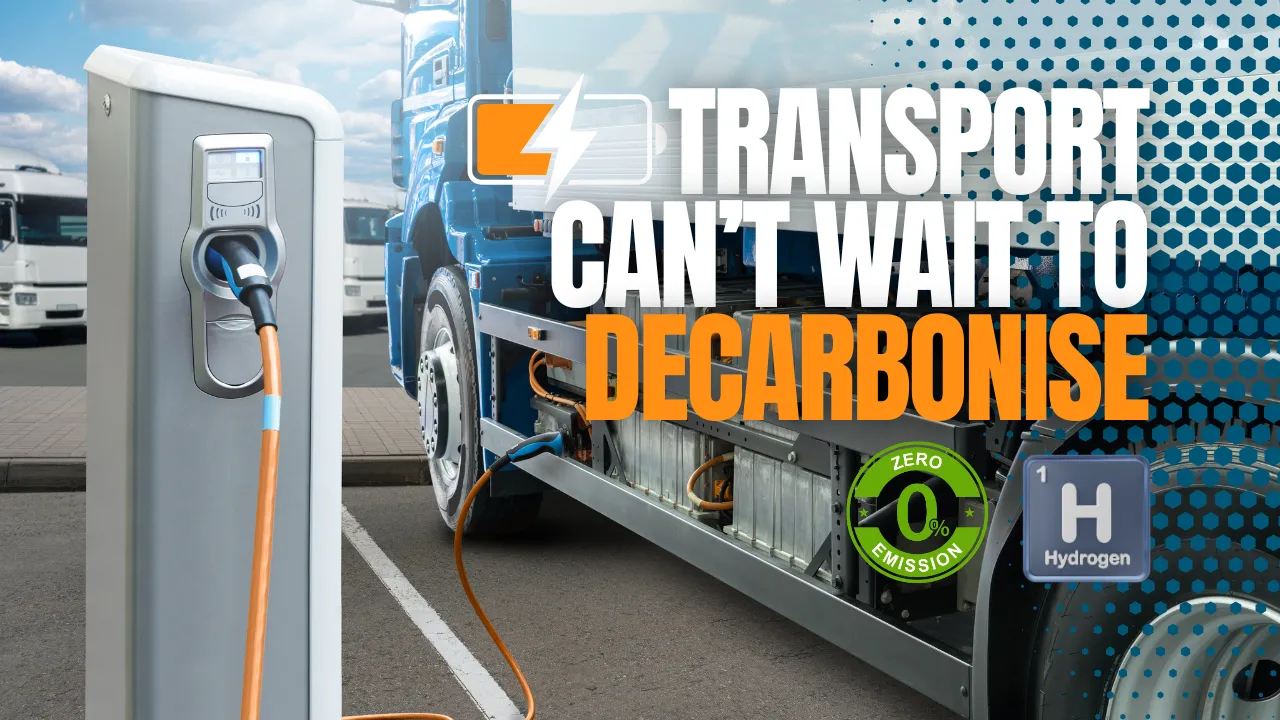
Last week at the Alternative Fuel Summit, one message cut through every panel, every case study, and every hallway conversation: Heavy transport and logistics in Australia cannot wait to decarbonise.
The sector is moving faster than many realise — pushed by customer expectations, tightening regulation, and the commercial benefits of low-carbon operations. And as the Victorian Transport Association (VTA) made very clear at the Summit: Transport operators can’t do this alone.
Decarbonisation is now a supply chain effort, a technology effort, and a strategic business effort. Here’s what that means for trucking, freight operators, and your customers in 2025 and beyond.
1. Your Supply Chain Now Expects Low-Emissions Freight
Across every session, one theme repeated: Customers — from major shippers to enterprise retailers — are demanding cleaner operations.
This isn’t future-looking anymore. Your clients want:
- Lower-emissions fuels
- Cleaner freight choices
- Transparent emissions data
- Proof that you’re decarbonising, not planning to
Transport teams who fail to deliver this risk losing contracts to operators who do.
The pressure is here today.
2. The Technology Shift Has Already Begun — And It’s Accelerating
The Summit showcased technology providers who are already rolling out solutions once considered “future tech”:
- Electric vehicle suppliers bringing heavy-duty EVs to Australia
- Hydrogen truck manufacturers preparing the next wave of zero-emissions freight
- Battery companies demonstrating electric tippers and energy-dense storage
- Hydrogen retrofit partners upgrading existing heavy fleets
- New charging & hydrogen hubs, set to expand nationally from 2026
These aren’t pilots anymore — they are procurement conversations happening right now.
The message from suppliers was clear: The operators who move early will be the ones securing infrastructure, supply, and long-term commercial advantage.
3. Start Building Your Decarbonisation Pathway Now
The biggest takeaway from the Summit wasn’t the technology—it was the timeline. According to every expert, investor, and fleet leader:
You need your decarbonisation pathway in place before the pressure peaks.
That means:
- Mapping where charging & hydrogen infrastructure will emerge
- Planning the skills and staff required
- Engaging suppliers early
- Aligning with clients and partners on low-emissions expectations
- Preparing for new reporting obligations and transparency standards
Waiting is no longer a strategy. Pathway planning must start now.
4. Zero-Emissions Fleets Will Be the Most Commercially Competitive
As one panelist put it: “The future fleet is zero emissions — and the earlier you move, the more commercially viable you become.”
Operators who begin transitioning:
- Reduce long-term fuel exposure
- Win contracts requiring emissions transparency
- Access new grants and infrastructure opportunities
- Modernise their fleet in line with 2030 and 2035 targets
In logistics, decarbonisation isn’t a “nice to have.” It’s becoming the business model.
5. The Industry Is Pushing Forward — But Challenges Remain
The Summit wasn’t just a showcase of success stories. It was an honest discussion about the challenges:
- Infrastructure timelines
- Battery weight and range constraints
- Hydrogen cost curves
- Change management inside transport organisations
- Integrating zero-emissions vehicles into complex, multi-state operations
Despite this, one thing was undeniable: Trucking, logistics, and freight operators are taking decarbonisation seriously because it’s becoming mission-critical for their operations.
The momentum is real — and accelerating.
The Road Ahead for Australian Transport
The Alternative Fuel Summit made one thing unwaveringly clear:
Decarbonisation is now the strategic priority for transport operators — not in 2030, but today.
Operators who build their pathways early will be the ones securing customers, infrastructure, and supply for the next decade of competition.
If your business is preparing for this transition and wants to stay ahead of reporting, technology, and client expectations, NetNada can help.
Start Your Climate Reporting Journey
Join 1,000+ Australian businesses using NetNada for carbon accounting and sustainability reporting.