NetNada Goes to Anthropic — Deep Tech Founder Salon Field Notes


March 30, 2026 · Cicada Innovations, Eveleigh
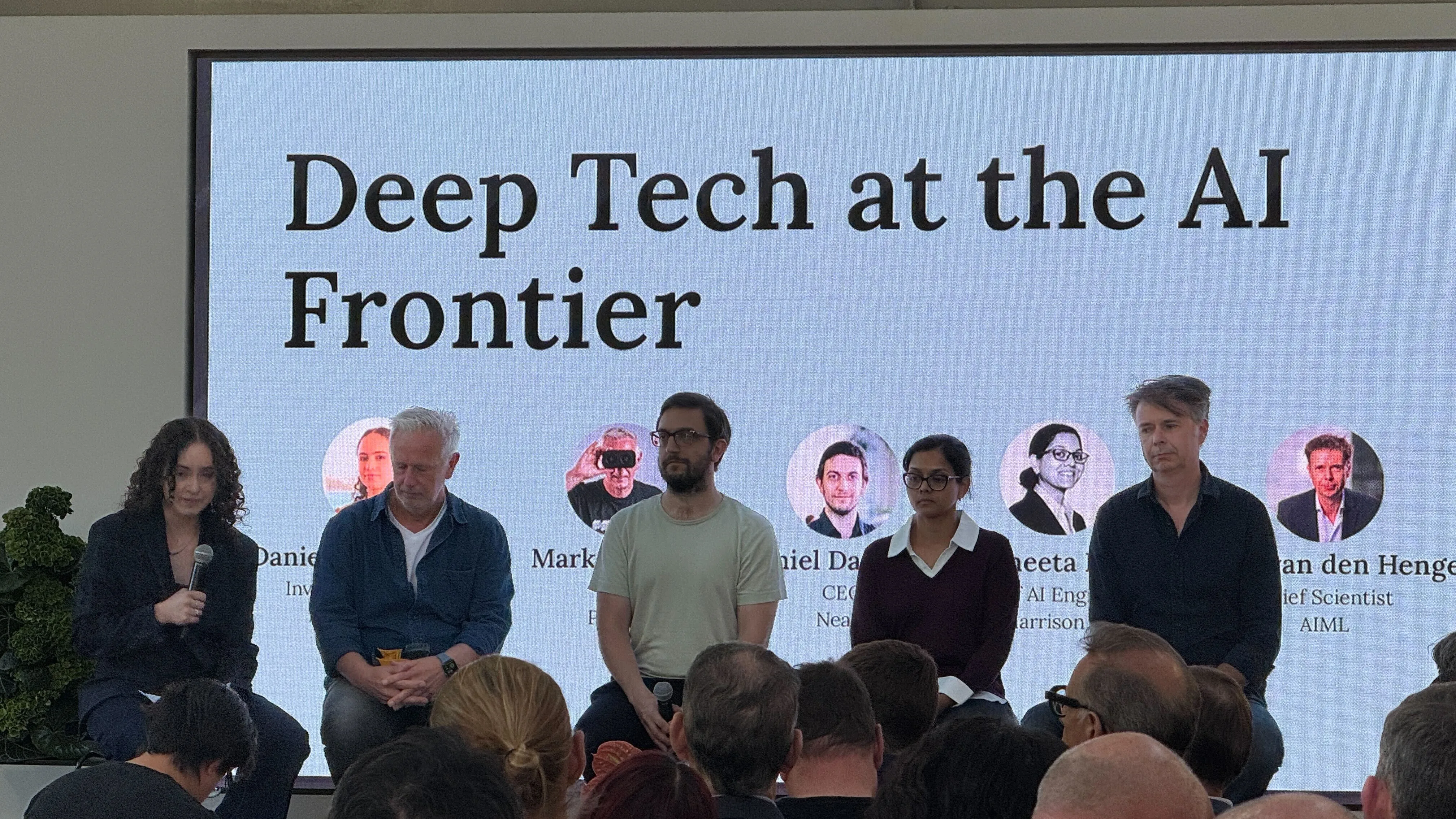
Afonso and Bala from the NetNada team headed down to Cicada Innovations in Eveleigh on Monday for Anthropic’s Deep Tech Founder Salon — a co-hosted event with Main Sequence Ventures bringing together deep tech founders, researchers, investors, and the broader Australian AI community.
More people than seats. Always a good sign.
This stuff isn’t abstract for us at NetNada. We’re building agentic workflows to help our customers navigate sustainability — making data interaction and report creation feel more like a natural conversation and less like a chore. So when an event like this happens in our backyard, we show up.
The room had energy
There’s something about being in a packed space where everyone is genuinely trying to figure out the same hard questions. Not only that, but the fact they are all hands-on. People who are using AI every day.
The event kicked off with an Acknowledgement of Country and then Chris Ciauri, Head of International at Anthropic, opened things up sharing that Australia is the fourth most engaged country by GDP in terms of Claude usage globally.
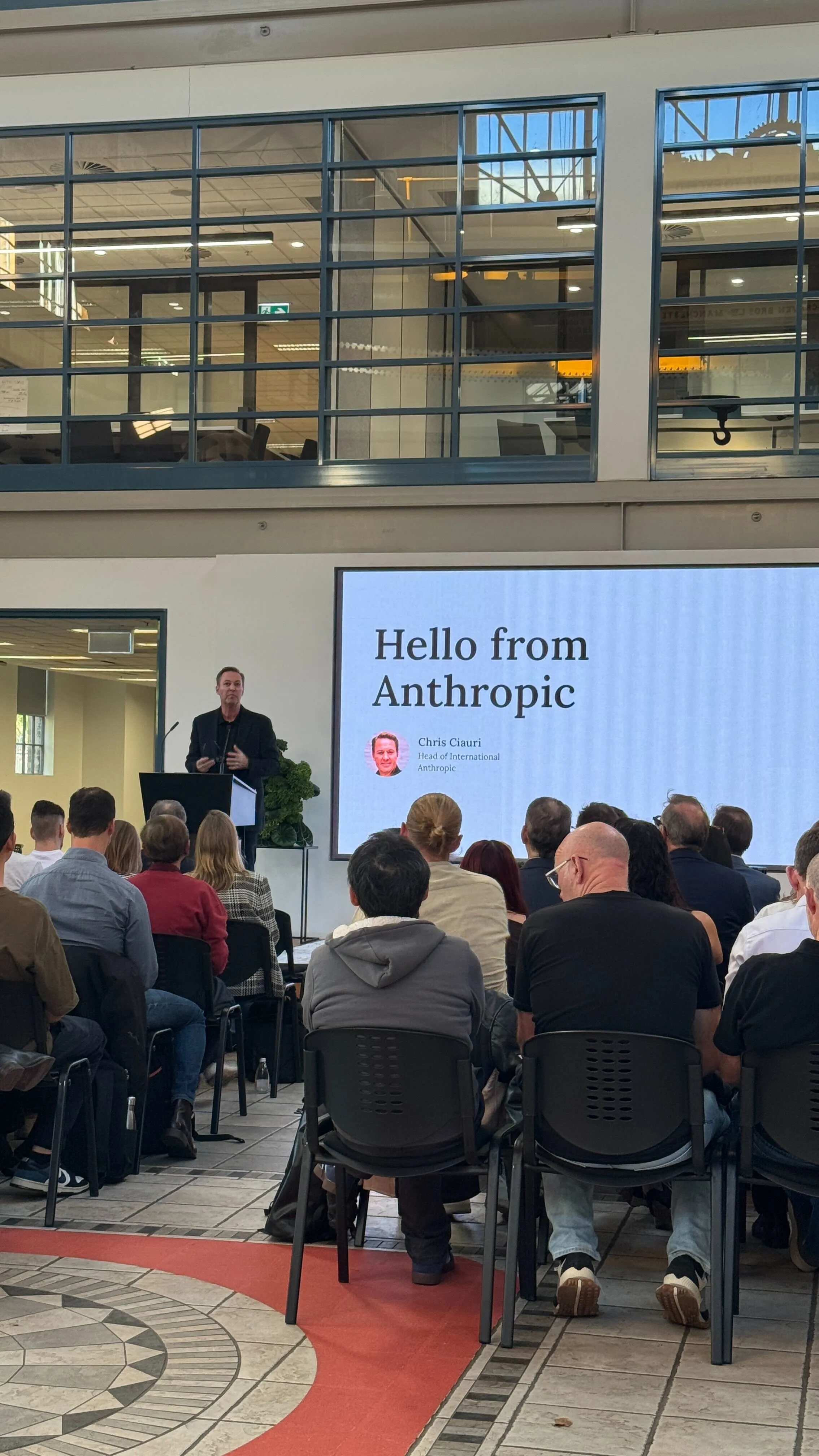
We're not just consumers of AI — we're leaning into it harder than almost anywhere else in the world.
That was genuinely surprising to hear.
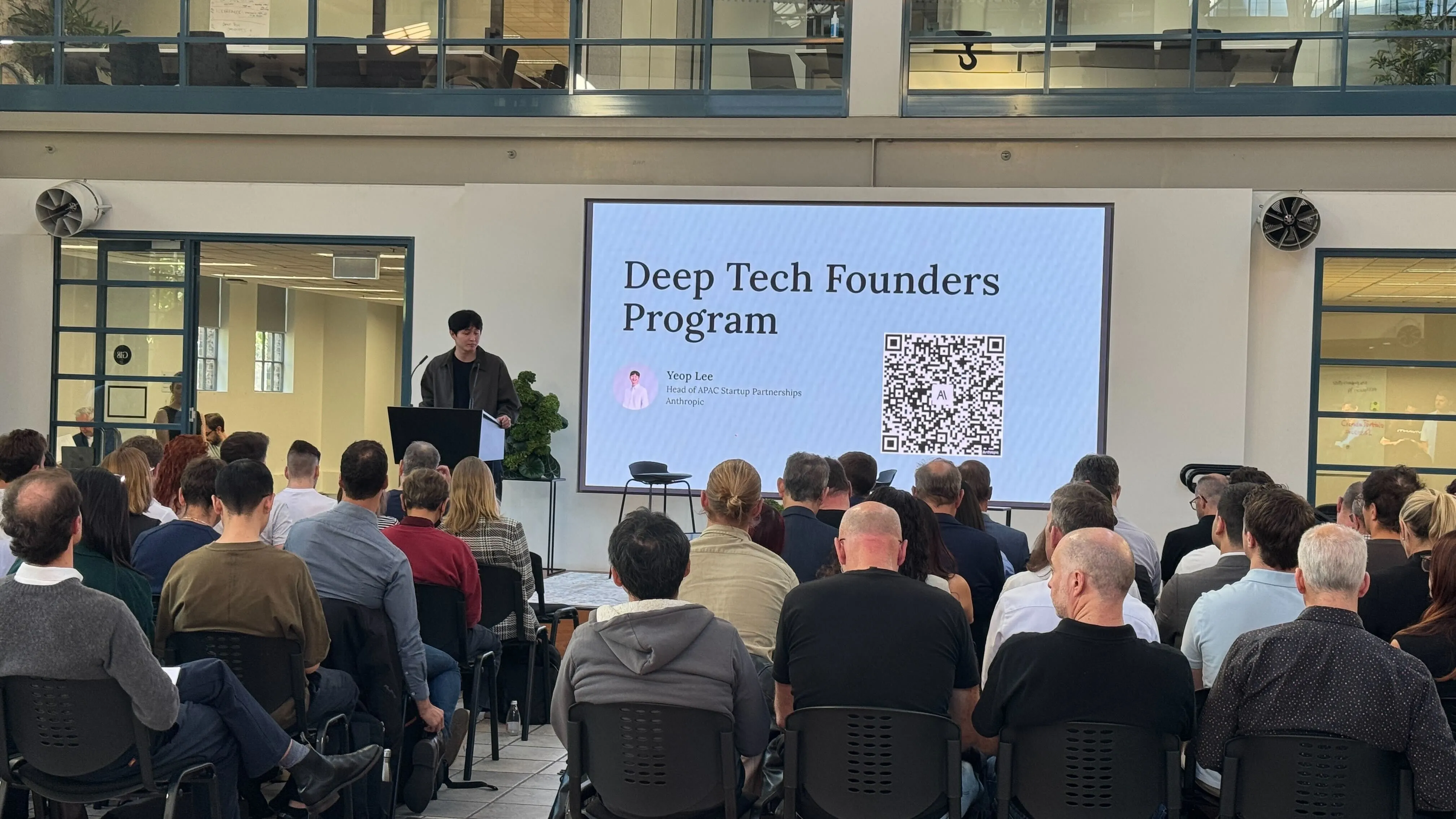
Yeop Lee, Head of APAC Startup Partnerships at Anthropic, also took the stage to introduce the Deep Tech Founders Program — offering qualifying startups $50,000 USD in free API tokens. For early-stage teams like ours building on Claude, that’s not a small signal. It’s Anthropic putting real resources behind the Australian deep tech ecosystem.
A few days earlier, back at the office
Before we even got to the event, this was already on our minds.
A few days prior, Kamakshi, Bala, and Carlos — all part of the NetNada product team — were in what became a pretty real conversation about what it means to use AI in the work we do together. How much energy to put in. How to implement it well. How the work itself is changing. Not a strategy meeting but everyone sharing honestly where they’re at with it.
That conversation didn’t resolve anything — there are as many points of view as there are people. But it set the tone for how we showed up to the event.
Zac Hatfield-Dodds and the productivity question nobody could quite answer
The first part of the session was a fireside chat between Georgia from Blink of AI and Zac Hatfield-Dodds, a researcher at Anthropic.
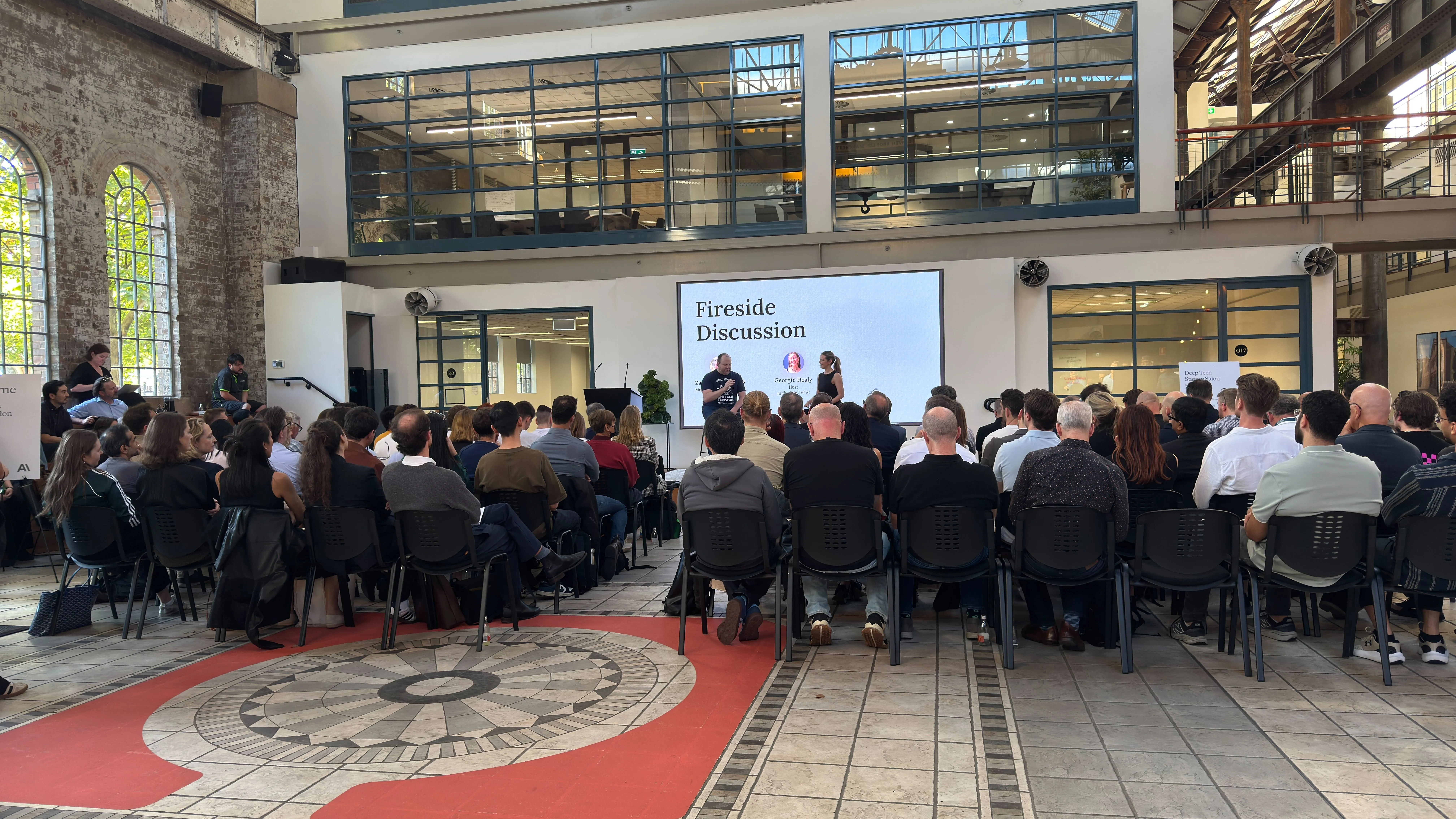
Zac mentioned being 8 to 25 times more productive using Claude Code. A striking claim. But that range is enormous. 8× and 25× are completely different worlds.
When you sit with that ambiguity, you start asking: how are they measuring this? What counts as a “task”? Is it lines of code? Features shipped? Time to resolution?
The vagueness wasn’t reassuring, and we’d genuinely love to see Anthropic’s own methodology on that. If productivity gains are real — and we believe they are — being able to pinpoint the number matters.
One interesting detail Zac mentioned almost in passing: he joined Anthropic when there were 13 employees. There are now more than a thousand. And because of the pace of growth, the company essentially has to re-examine who it is and what it values every six or seven months.
Think about that for a second. A company whose entire purpose is building AI safely — focused on collaboration, on what it means for humanity — is itself experiencing the same disorientation that rapid growth brings. New people join the journey fast. If a company is its people, what does it look like when that many people arrive that quickly?
Token addiction
One cultural observation that stuck: the crowd seemed to share a quiet relationship with tokens. As in, Claude Code tokens.
Running low felt like running out of fuel mid-race.
Running high felt like having superpowers.
It's a funny psychological dependency that's already forming in developer culture — this sense of "I can do anything, as long as the tokens hold out."
The Main Sequence Ventures partner who did the closing remark said “I feel powerful!” Combine this feeling with the fact that tokens are not unlimited and we might see a dependency cycle forming rather quickly — if it isn’t already here.
That probably says something interesting about where we’re headed.
Open research vs. secret sauce
One thread that came up and didn’t get a satisfying resolution — which is kind of the point — was the question of openness.
Anthropic publishes research papers. But not all of them. Some stay internal.
How do you navigate being an open, safety-focused research organisation while also protecting what makes you competitive? And worth remembering: Anthropic isn’t really a product company at its core — Claude is almost a byproduct of a research mission.
That framing changes how you think about what gets shared and what doesn’t. There’s no clean answer. But for a company that frames itself around AI for humanity, the tension between publishing and protecting is real and worth naming.
So, what skills do we need to learn?
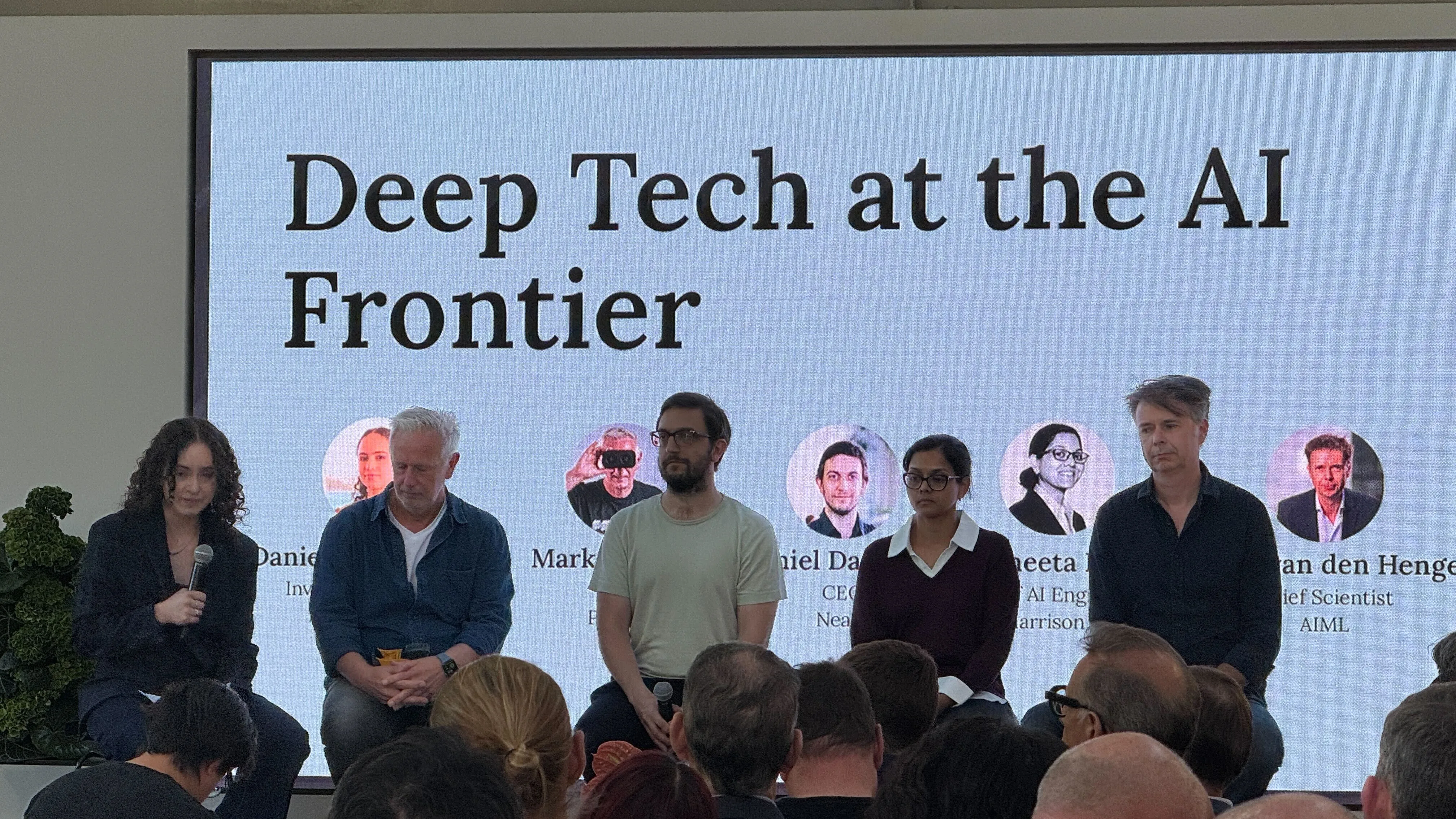
An audience member asked what might be the most uncomfortable question in the room: What should universities be teaching computer science students right now?
Zac answered — architecture, system design, the fundamentals — but then got noticeably quieter. Didn’t really double down. And we both noticed that.
One panellist made a point we think holds up: core engineering thinking has survived every technological wave, including the industrial revolution. Analytical reasoning, problem decomposition, designing solutions under constraints — none of that goes away.
The honest subtext? The way we currently teach software engineering might not be entirely necessary anymore. Nobody said it plainly. But it was hanging in the air.
Managing agents isn’t the same as managing people — and that matters
This one hit close to home — not just for engineering, but for everyone at NetNada. Because when we think about agentic workflows, we’re not just thinking about code. We’re thinking about what this means for how sales works, how customer success works, how marketing thinks. Every function is going to feel this.
There was a thread throughout the event around developers becoming “managers of Claude agents” — spinning up multiple AI instances, reviewing outputs, stitching workflows together.
Here’s where we get a little philosophical: the part of your brain that grinds through a problem for four hours — navigating Stack Overflow, reading error traces, getting stuck and unstuck — is not the same as the one that context-switches between agent outputs.
Both are valid. Both are skilled. But they’re different cognitive modes, different satisfactions, different relationships with the work. The deep dive feels like something. The orchestration feels like something else. We’re not saying one is better. We’re saying they’re genuinely different — and pretending otherwise doesn’t help anyone think clearly about what’s coming.
And managing agents is nothing like managing people. Agents are always motivated. They don't need check-ins, encouragement, or a conversation about how their weekend went.
The human messiness of teamwork — the conflict, the misunderstanding, the growth — that doesn't exist with agents. If you've drawn meaning from that side of work, it's worth sitting honestly with what that shift actually means for you.
This question isn’t just for engineers. It’s for everyone figuring out what good work looks like now.
What we’re taking away
We’re moving faster than anyone can predict. Six months from now, the landscape looks different. It always does.
The productivity gains from AI tools are real — but the measurement and honest accounting of them needs more rigour.
The philosophical questions are catching up to the technical ones. What does it mean to do the work when the work changes this fast? What does a team look like? What does satisfaction at work look like?
Rapid growth changes what a company is. Even Anthropic — with all their intentionality — is living that. Worth paying attention to as we grow too.
Oh, and on the train there — Bala introduced Afonso to a game called Make 10: take the four digits on your carriage number and use any mathematical operations to reach 10.
Simple. Elegant. The kind of puzzle that makes a 20-minute commute disappear.
Highly recommend.
Start Your Climate Reporting Journey
Join 1,000+ Australian businesses using NetNada for carbon accounting and sustainability reporting.